
 Birds
Birds
 Pigeons
 Dogs
Dogs
 Cats
Cats













Salmonella in Pigeons: Symptoms, Causes and Treatment

Salmonella in pigeons is a bacterial infection that can affect the digestive system, joints, nervous system, reproductive organs and, in severe cases, several organs at once. For pigeon fanciers, the difficulty is that the disease does not always produce an obvious or consistent set of signs. Some birds become seriously ill, while others may remain apparently healthy and continue carrying the bacteria.
Recognising possible warning signs is useful, but appearance alone cannot confirm pigeon salmonella. Diarrhoea, loss of condition, poor racing performance, swollen joints and neurological problems can all have other causes. Veterinary investigation becomes particularly important when illness persists, several pigeons are affected, breeding results deteriorate or problems repeatedly return after apparent recovery.
What Is Salmonella in Pigeons?
Salmonellosis is the disease caused by infection with bacteria belonging to the genus Salmonella. In pigeons, the organism most closely associated with the disease is Salmonella enterica serovar Typhimurium, including pigeon-adapted variants historically described as Typhimurium var. Copenhagen. Research has shown that pigeon-associated strains can form distinct host-adapted lineages. (PubMed Central)
Pigeon fanciers commonly use the term pigeon paratyphoid to describe salmonellosis, so “paratyphoid” and “salmonella” are frequently used interchangeably in loft discussions. The severity of disease can vary considerably. Age, general health, immune status, nutritional condition, concurrent disease, stress and the level of environmental contamination can all influence whether an infected pigeon develops noticeable clinical illness.
What Causes Salmonella and Paratyphoid in Pigeons?
Pigeon salmonella begins when susceptible birds are exposed to pathogenic Salmonella bacteria. Once infection becomes established, bacteria may remain principally in the intestinal tract or invade other tissues. This helps explain why paratyphoid can appear as a digestive problem in one bird but produce joint, reproductive, neurological or generalised illness in another.
Exposure does not necessarily mean that every pigeon will become visibly sick. Apparently healthy carriers are particularly important because they can harbour Salmonella without displaying the signs a fancier might normally associate with disease. Studies of domestic pigeons have identified clinically normal birds carrying S. Typhimurium, demonstrating why visual inspection of the loft cannot reliably establish whether the organism is present. (PubMed Central)
How Does Salmonella Spread Between Pigeons?
Faecal-oral transmission is one of the main routes by which salmonella in pigeons circulates. Droppings from an infected or carrier bird can contaminate drinking water, feed, feeders, drinkers, perches, baskets, floors and other loft surfaces. Another pigeon may then ingest the organism while eating, drinking or preening in the contaminated environment.
Transmission may also be encouraged by close contact, feeding youngsters, breeding activity, shared equipment, race baskets and the introduction of infected pigeons into an established loft. Rodents, wild birds and other environmental vectors may sometimes contribute to contamination, although their importance can vary with the strain and circumstances. Preventing direct pigeon-to-pigeon transmission therefore remains just as important as controlling outside sources.
Pigeon Salmonella Symptoms
Intestinal and Systemic Signs
The intestinal form commonly causes loose, watery or greenish diarrhoea together with reduced appetite, weight loss, weakness and declining body condition. Young or severely affected pigeons may deteriorate rapidly if infection becomes systemic. Once bacteria spread beyond the intestinal tract, several organs can become involved, producing profound weakness, poor condition and, in serious outbreaks, mortality. (PubMed Central)
Joint and Neurological Signs
When infection localises in joints, affected pigeons may develop swelling, heat, pain or lameness. A swollen wing joint can result in a characteristic dropped wing and reluctance or inability to fly. Nervous involvement may cause poor coordination, loss of balance, abnormal head position or torticollis. These signs are important warnings, but they are not proof of salmonellosis because conditions such as paramyxovirus infection can look similar.

How Does Salmonella Affect Young, Racing and Breeding Pigeons?
Young pigeons are generally more vulnerable to acute intestinal or systemic illness and may lose condition quickly. Breeding lofts can experience a different pattern, including reduced fertility, embryonic losses, weak youngsters or squabs dying soon after hatching. However, poor breeding results have many possible causes, so they should never automatically be attributed to pigeon paratyphoid without investigation.
In racing pigeons, infection may sometimes be less dramatic. An adult bird might show intermittent digestive disturbance, gradual loss of condition, reduced willingness to train or slower recovery after exertion. Joint pain, weakness or poor coordination can obviously have a greater effect on performance. Racing, transport, overcrowding, breeding and concurrent illness may add physiological stress at a time when resistance is already compromised.
How Is Salmonella in Pigeons Diagnosed?
A veterinary diagnosis generally depends on detecting and identifying the organism rather than simply matching symptoms to a checklist. Depending on the case, samples may include fresh droppings, cloacal swabs or material from affected joints, organs or reproductive tissues. Bacterial culture can identify Salmonella, while further characterisation and antimicrobial susceptibility testing can provide information relevant to veterinary treatment decisions.

Interpretation still requires care. Carrier pigeons may shed bacteria intermittently, meaning a single negative faecal sample does not always rule out infection. Conversely, detecting Salmonella in droppings should be considered alongside clinical signs, examination findings and the health of the loft. Pigeon veterinary services may therefore recommend pooled or repeated sampling when intermittent shedding is suspected. (Poultry Health Services)
Differential diagnosis is essential because many symptoms overlap with other pigeon diseases. Neurological abnormalities can resemble paramyxovirus infection, while diarrhoea, weight loss and poor condition may also occur with coccidiosis, intestinal worms, trichomoniasis, other bacterial infections or nutritional problems. Testing helps distinguish between these possibilities instead of treating an assumed diagnosis.
A veterinarian may also need to look beyond the visibly affected pigeon. When several birds are involved, understanding the pattern across the loft can be more informative than examining one isolated case. Recent introductions, racing history, breeding problems, previous treatments, hygiene conditions and repeated episodes can all provide useful context when deciding which samples and tests are appropriate.
Treatment Options for Salmonella in Pigeons
Confirmed clinical salmonellosis may require veterinary-directed antimicrobial treatment, with the choice guided where possible by bacterial identification, susceptibility results and the condition of the pigeons. There is no single medication programme that is appropriate for every loft. Indiscriminate, unnecessarily short or repeated empirical antimicrobial use should be avoided because it can contribute to treatment failure, antimicrobial resistance and persistent carrier problems.
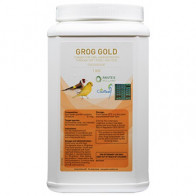
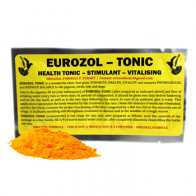
Medication is only one part of management. Cleaning contaminated areas, improving loft hygiene, reducing stress and maintaining suitable nutrition and hydration can help support recovery and reduce reinfection pressure. Fanciers researching appropriate health products can view the Mercasystems range of pigeon salmonella treatments, but product selection should complement rather than replace veterinary diagnosis and professional advice.
Clinical improvement should not automatically be interpreted as complete elimination of Salmonella. A pigeon may appear normal after illness yet continue to harbour or intermittently shed bacteria. Where disease returns after treatment, further testing may be more useful than simply repeating the same approach, particularly if a carrier bird or continuing environmental contamination is maintaining infection within the loft.
Supportive management matters as well. Sick pigeons benefit from a calm, clean environment with minimal unnecessary handling or competition. Maintaining appropriate food and water intake and addressing concurrent health problems can support recovery. Decisions about separating affected birds, further testing or managing confirmed carriers should be made with veterinary guidance and the wider health of the loft in mind.
Preventing Salmonella in the Loft
Good biosecurity reduces opportunities for pigeon salmonella to circulate. Remove droppings and organic debris regularly, keep the loft reasonably dry and well ventilated, and clean feeders and drinkers thoroughly. Shared baskets and equipment should also be managed carefully. Avoiding overcrowding and unnecessary stress, while providing appropriate nutrition, helps create conditions that are less favourable for recurrent disease.

New pigeons deserve particular attention because a healthy-looking introduction may still be a carrier. Quarantine and observation before mixing new arrivals with the main loft provide an opportunity to identify problems and, where appropriate, arrange veterinary testing. Rodent control and measures limiting contamination from wild birds are sensible additions. Vaccination may form part of a veterinary prevention programme, but its suitability depends on the individual loft and professional advice.
When Should You Consult a Vet?
Veterinary advice is warranted when pigeons develop persistent diarrhoea, progressive weight loss, swollen joints, dropped wings, neurological abnormalities, unexplained breeding losses or recurring poor condition. Sudden deaths, illness affecting several pigeons or rapid deterioration require especially prompt attention. These situations justify proper diagnostic investigation rather than assuming that salmonella is responsible from symptoms alone.
Personal hygiene should also remain part of routine loft management. Wash hands after handling pigeons, droppings or contaminated equipment and avoid transferring loft contamination into living areas. Although pigeon-adapted Salmonella strains differ in their apparent zoonotic importance, sensible hygiene is appropriate whenever handling potentially infected material. Research has suggested that some pigeon-adapted strains have relatively low virulence for people, but this does not justify ignoring basic precautions. (PubMed Central)
For fanciers in Great Britain, there is also a statutory context to be aware of. Current GOV.UK guidance lists pigeons among the avian species for which isolation of Salmonella must be reported to the Animal and Plant Health Agency by veterinary professionals and private laboratories, with isolates submitted for confirmatory identification. That laboratory reporting requirement is another reason to involve a vet when salmonellosis is genuinely suspected. (GOV.UK)
Ultimately, controlling salmonella in pigeons depends on combining accurate diagnosis with appropriate veterinary treatment, careful hygiene and good loft management. Symptoms can indicate that something is wrong, but laboratory evidence provides the information needed to distinguish salmonellosis from similar diseases and make sound decisions. When problems persist or repeatedly return, investigating carriers, environmental contamination and other underlying health issues is safer than relying on assumptions.
More Pigeon Health Guides
Learn about other common pigeon diseases, their symptoms, treatment and prevention in our pigeon health guides.